Parent & Caregiver Tips · By Cheryl, a retired speech-language pathologist with more than 40 years of experience working with infants, toddlers, and preschoolers.

Toddler Learning Activities: Simple Play Ideas That Encourage Language

A toddler and caregiver playing together

This has to be one of my favourite topics!

We have come out of the baby cooing, babbling, crawling, grasping, and smiling phase, and we are on to fun, fun, fun!

Once children reach the toddler stage, it can feel like the best of all worlds. They are learning so quickly, and you can often see something new developing right before your eyes. They are interested in EVERYTHING, and everything can be fun and exciting.

Toddlers are beginning to discover humour and pretend play. They want to explore, imitate, experiment, and do things again and again—and then perhaps another 17 times!

The wonderful thing is that toddler learning activities don’t have to be complicated, expensive, or time-consuming. Some of the best learning happens during ordinary moments with the treasured adults in a child’s life.

The best toddler learning activities aren’t complicated activities at all. They’re ordinary moments made interesting by an adult who talks, plays, pretends, gets silly, and leaves space for the child to join in.

Everyday Activities Can Be Toddler Learning Activities

Let’s start with activities you are already doing that take little to no extra time.

One great example is What’s in the Fridge?

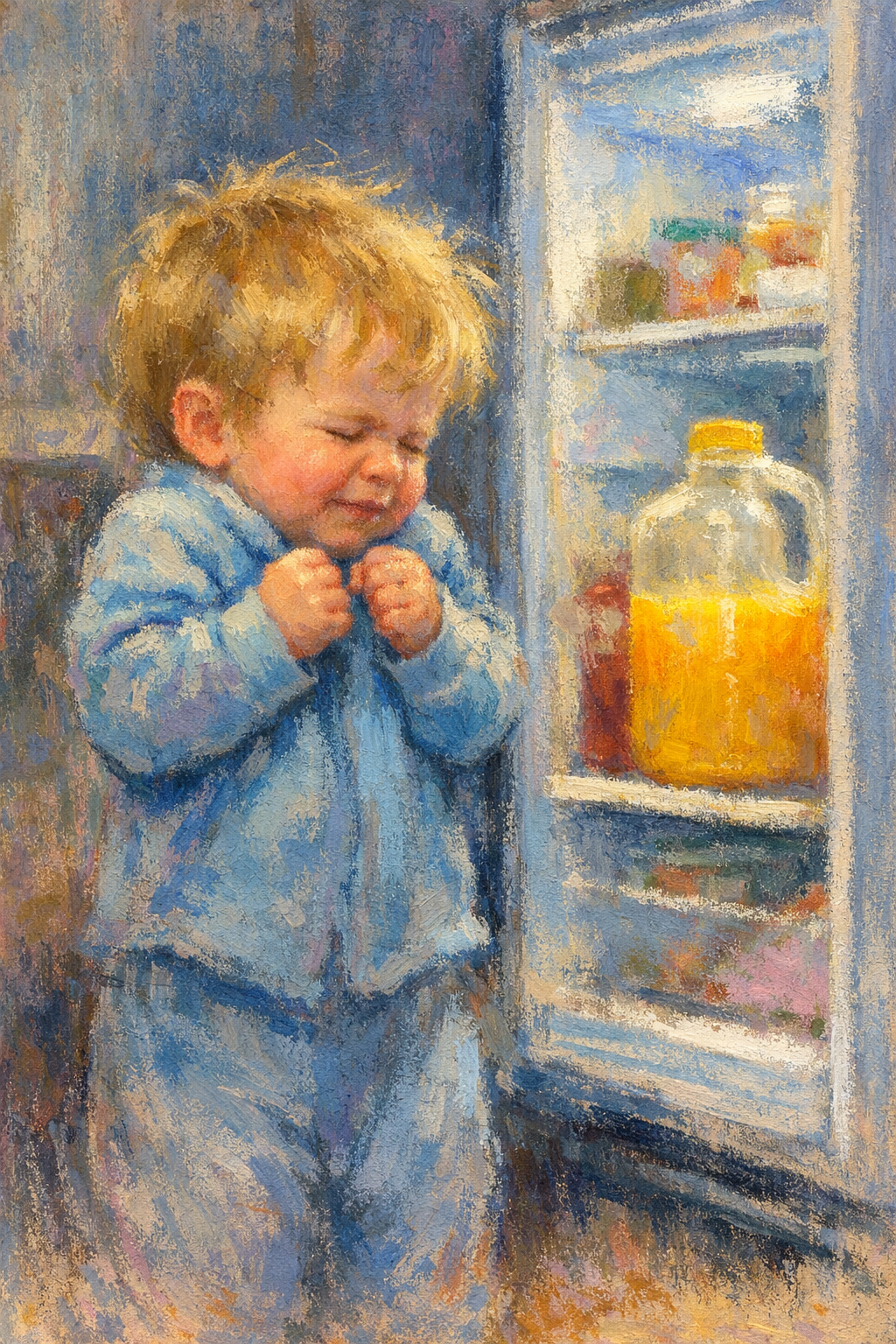
This magic cold box offers no end of fascination for a toddler! Whether you are clearing the table, putting groceries away, or making supper, taking a few seconds to talk about what is in the fridge and how cold it feels can create a wonderful little language-learning experience.

It might sound something like this:

Adult: We need to put the juice away. Where does it go?

Toddler: Looks at the fridge.

Adult: Yes! The juice goes in the fridge. Should we open it?

Toddler: Nods yes.

Adult: Oooooo, it is cold in here! Do you want to feel it?

Toddler: Touches the inside of the fridge door.

Adult: Brrrrrr! (Makes the motion of shivering.) Cold!

Toddler: Makes the motion of shivering and says, “Coe!”

What?! Has your toddler just said cold for the first time? How exciting!

Notice how you are doing most of the talking. Your toddler doesn’t need to answer a series of questions or repeat words on command. You are making an ordinary daily experience interesting and giving your toddler opportunities to look, listen, feel, gesture, imitate, and perhaps eventually say a word.

Later in the day, you might say:

“Tell Grandma about the fridge! Remember, it was very…”

Then make the shivering motion and leave a little space for your toddler to join in. Perhaps your toddler will remember cold or coe. If not, simply model it again:

“Cold! Brrrrr! The fridge was so cold!”

If you have a few extra moments, you can even get the juice and let Grandma and your toddler feel how cold it is.

“Okay, we’d better put it back. Where does it go?”

Your toddler walks to the fridge.

“Yes! The juice goes in the fridge. It needs to stay cold!”

Look at how much learning happened in those few minutes. Your toddler heard familiar and new words, answered a question by looking, made a choice by nodding, explored the meaning of cold through touch, copied a gesture, and perhaps even tried a new word. Later, when you told Grandma what happened, you helped your child remember and communicate about a past experience.

And all you did was put the juice away.

How to Encourage Your Toddler to Talk Without Constantly Quizzing Them

If you’re wondering how to encourage your toddler to talk, you don’t need to spend the day asking them to repeat words or answer questions. Instead, give your toddler fun, meaningful language experiences where you do most of the talking—and then leave space for your child to join in.

Constantly quizzing your child with “What’s that? What’s that? What’s that?” may occasionally get you a word, but it doesn’t create the kind of relaxed, back-and-forth interaction that makes language learning fun.

Try commenting more and questioning less.

Instead of: “What’s that?”
Try: “A puppy! Look at that puppy! He’s running so fast!”

Instead of: “What colour is your cup?”
Try: “You have the red cup. I have the blue one. Cheers!” (clink cups)

Instead of: “What does the cow say?”
Try: “Moooooo! Cow says, ‘hello’!” — then wait.

Your toddler might smile. Look at you. Make a sound. Point. Copy the moo. Say a word. Or do absolutely nothing this time. That’s okay. You are giving your child language without demanding a performance.

The Same Toddler Activity Can Grow With Your Child

If you’re searching for activities for 1 year olds, activities for an 18-month-old, or 2 year old activities, you don’t necessarily need completely different play ideas for every age. The same simple activity can grow along with your child’s communication, play, and thinking skills.

A 1-year-old might watch you put Teddy to bed, smile when you say “Night-night,” and pull off the blanket.

An 18-month-old might cover Teddy, put a finger to their lips, and say “Shhh” or “Nigh-nigh.”

A 2-year-old might tell you that Teddy needs his blanket, the light turned off, a bedtime snack, or one more story before bed!

You don’t need to rush your child to the next level. Join them where they are and add a little more language and play when they’re ready.

Toddler Play Idea #1: Put Teddy to Bed

Some of the best activities for toddlers involve pretend play, and you don’t need an expensive play set or a room full of toys. For this simple activity, all you need is a doll, teddy bear, or toy farm animal, and a cloth or tissue to use as a blanket.

In an animated voice, say:

“Uh-oh! Teddy is tired! Let’s put Teddy to sleep. Lie down, Teddy!”

Lay Teddy down and cover him with the cloth.

“Night-night, Teddy!”

Then whisper:

“Shhhhhhh. Teddy is sleeping.”

Wait a few moments and then say:

“It’s morning now! Should we wake Teddy up?”

With an exaggerated flourish, whip the blanket off Teddy and exclaim:

“Wake up, Teddy! Time to get up!”

And then do it again. And again. And probably again!

Let your toddler participate in whatever way they can. At first, they may simply watch and listen. Later, they might lay Teddy down, cover him up, pull off the blanket, or put a finger to their lips. Eventually, after many repetitions, your toddler might begin saying “night-night,” “shhh,” or “wake up!”

Remember, your toddler doesn’t have to talk to participate. Looking, smiling, reaching, pointing, copying an action, bringing you an object, or making a sound are all ways of joining the interaction. Words may come later.

Once your child knows the routine well, you can change it slightly. Hide Teddy’s blanket and send Teddy on a little journey under the couch to find it. Or perhaps Teddy has another problem:

“What is that, Teddy? It’s too light for you to sleep? Maybe we should turn off the lights!”

Now your simple bedtime routine is beginning to turn into a little story.

Toddler Play Idea #2: Feed a Hungry Cow

For this activity, you need a toy cow—or any toy animal your toddler enjoys—a spoon, and a cup. That’s it!

Hold up the cow and say:

“Moooooo! Cow says she’s hungry! Should we give Cow some food?”

Pretend to feed her with the spoon.

“Here you go, Cow!”

Smack your lips as though the cow is eating.

“Mmmmm! Cow says that’s good food!”

Then listen dramatically to the cow.

“Moo? What now, Cow? Oh! You’re thirsty? You need a drink!”

Tip the cup toward the cow’s mouth and make a gulping sound:

“Guh-guh-guh-guh… Ahhhhhhh! That’s a good drink!”

Leave space for your toddler to participate in whatever way they can. Perhaps they will hold the spoon. Maybe they’ll feed the cow. They may make a moo sound, smack their lips, pretend to drink, or say a word. All of those responses count as participation.

After your toddler knows the routine well, introduce a new problem:

“Oh no! Cow doesn’t like this food! What should we do?”

Then wait and see what your toddler comes up with, either through words or actions. The magic often happens when you know the routine well enough to change it.

Another Everyday Toddler Learning Activity: Getting Dressed

Getting dressed offers all kinds of opportunities for language, concepts, body-part names, choices—and silliness.

You might say:

“Sock on. Where’s your foot? There’s your foot! Sock on!”

Or deliberately make a ridiculous mistake. Try to put the shoe on your toddler’s hand. When your toddler looks at you with utter astonishment you can laugh and say:

“Oh no! What is Mommy thinking?! Shoes don’t go on hands. No! Shoes go on feet! Silly Mommy!”

Often during this activity, the “take away” for your child is the “silly mommy” part, and they often enjoy saying that one over and over—“Swiwee Mommy!”

The silliness has given your toddler a genuine reason to communicate with you and eventually relate this story to others when they come home. How silly is Mommy?!

Toddler Learning Activity: Make a Silly Mistake!

Toddlers love silly!

If their ducky is swimming in the bathtub, try putting a plastic cow in too.

“Oh no! Cow can’t swim! Cow says, ‘Moooo! Help!’ Cow, you don’t go in the tub! Just Ducky goes in the tub. You get out, Cow! The tub is not for you!”

Or, when it’s time to go to the store, try to put on your toddler’s footwear.

“We need to get ready to go to the store. I need to put my boots on.”

Struggle to put your toddler’s boots on your own feet.

“Ugh! Ugh! Wait! These boots don’t fit! They’re way too small!”

Your toddler may already be laughing, shaking their head, pointing, or trying to take the boots away from you. If they haven’t said anything yet, you can exclaim:

“Oh no! These aren’t Mommy’s boots. These are Timmy’s boots! I can’t wear your boots!”

Later, ask your toddler to help you tell Daddy about the ridiculous thing that happened.

Silly mistakes give your toddler a real reason to communicate. They know something is wrong, and they want you to know it too! Your child may use a word, a sound, a gesture, a facial expression, or a combination of all four. Respond to whatever they give you.

What Is Your Toddler Learning Through Play?

While your toddler is putting Teddy to bed, feeding a cow, exploring the cold fridge, or laughing because you tried to put their boot on your foot, they may be learning far more than you realize.

They’re learning new words and concepts. They’re learning to take turns and pay attention to another person. They’re discovering that gestures, sounds, facial expressions, and words can communicate ideas.

They’re learning to imitate actions and sounds. They’re learning to remember something that happened earlier and perhaps help tell someone about it later.

Through pretend play, they’re also discovering that one object can represent another and that they can create, repeat, and eventually change a little story. They are learning to look for consistency and solve problems. They are learning that communication is fun!

To your toddler, it’s play. But an enormous amount of learning can be happening inside that play.

One Thing You Can Do Today

Make one silly mistake on purpose.

Try to put your toddler’s sock on their hand. Give Teddy a drink from a shoe. Put a banana on your head and pretend it’s a hat.

Then wait.

Don’t immediately tell your child what’s wrong. Give them a moment to notice and respond. Your toddler might laugh, stare at you in disbelief, shake their head, point, make a sound, use a gesture, or say a word.

Respond to whatever they do. The goal isn’t to make your toddler say a particular word. The goal is to create a fun moment in which your child wants to communicate with you.

A Thought from Cheryl

If your toddler is not talking yet, you can still do all of these fun toddler learning activities. They are in no way restricted to toddlers who already use words.

Keep modelling language, talking, playing, and interacting in a fun way—and leave space for your child to participate however they can.

Your toddler might communicate by looking, reaching, pointing, nodding, shaking their head, making a facial expression, copying an action, using a gesture or sign, or making a sound. Notice those attempts. Respond to them. Build on them.

You can also use simple signs and gestures to give a child who isn’t yet talking another way to communicate.

If you are concerned because your toddler is not talking or is not making progress with communication, consider contacting a speech-language pathologist. A comprehensive assessment can help you better understand why your child may not be talking yet and what specific steps you can take to support their expressive language development.

Watch: Toddler learning activities that encourage language

The Bottom Line

The key to all of these toddler learning activities is a sense of fun.

The activities don’t have to be lengthy. In fact, a few minutes may be plenty. Toddlers aren’t exactly famous for their long attention spans!

If your child isn’t interested in a book or play routine today, try again another day. As your child develops, their interests in play and interaction will change too. Pay attention to what captures your toddler’s attention and join them there.

The best activities for toddlers don’t require expensive toys, elaborate preparation, or long stretches of time. They happen in the kitchen while you’re putting away the juice, during bath time with a duck and a misplaced cow, while getting dressed, or on the floor with a teddy bear and a scrap of cloth.

Talk about what you’re doing. Make it interesting. Be silly. Leave space for your toddler to join in—and pay attention to all the ways they communicate, not just the words they say.

To your toddler, it’s just fun. But through those little moments of shared attention, laughter, repetition, pretend play, and back-and-forth interaction, an incredible amount of learning is taking place.

And sometimes, all you did was put the juice away.

More topics for parents

All parent topics Home