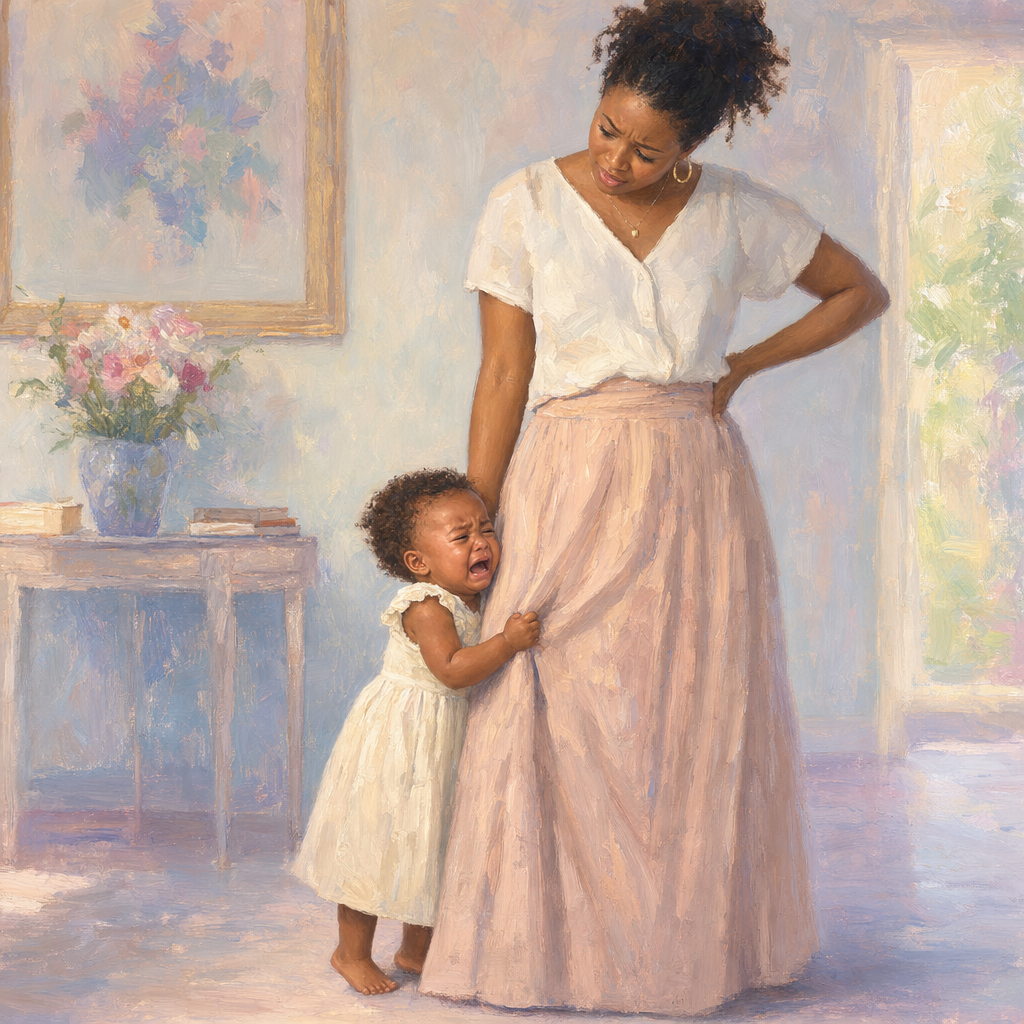
If you have a toddler, chances are you’ve heard plenty of whining. It can be exhausting, especially when it seems to happen all day long.
Here is something that helps: whining is communication. Toddlers are not whining to test your patience — they are telling you something. Our job as parents and caregivers is to figure out what that something is, and then help them find a better way to say it.
Why Toddlers Whine
Toddlers not only want to communicate — they also want a little control over their world. Whining often happens because they are still learning how to:
- express themselves with words
- wait for their needs to be met
- recognize and manage their emotions
- understand how their voice affects the people around them
As parents and caregivers, our job is to help them build these skills — and that takes time, patience, and a lot of repetition.
Give Them the Words They Need
If your child struggles to express themselves, start teaching simple words or signs for the things that matter most in their day:
- needs: help, more, want, eat, drink, done
- people: mommy, daddy, grandma, grandpa
- feelings: happy, sad, mad, tired, scared
- things they love: toy, book, ball, puppy, blanket
When your child begins to whine, try putting their feelings into words for them:
“Did your toy break? Oh no! I bet you’re feeling mad. Do you want me to help you? Let’s see if we can fix it together.”
When children repeatedly hear words for their feelings and experiences, they gradually begin using those words instead of whining. It doesn’t happen overnight — but it does happen.
Make Waiting Easier
Telling a toddler “Wait a minute” doesn’t mean much, because toddlers have no real understanding of time. Instead, be specific about what you are doing and when you will be free:
“I’ll help you as soon as I finish putting these groceries away.”
Even better, invite them to help:
“Can you hand me the apples?”
Now your child can see what you are doing, has a better idea of when you’ll be available, and feels included instead of ignored. A child who feels included is a child who has less reason to whine.
Respond to Early Communication Attempts
Sometimes toddlers whine because they have already tried to communicate in quieter ways. They may have pointed, tugged on your hand, babbled, or looked at you — but no one noticed. After a few unsuccessful attempts, they discover that whining gets a quicker response.
Whenever possible, try to notice and respond to those early communication attempts before they turn into whining. A quick acknowledgement goes a long way:
“I see you pointing at the cupboard. Do you want a snack? Let me finish washing my hands and I’ll get it for you.”
When Whining Has Already Started
No parent can catch every early signal. Sometimes you’re driving, cooking supper, feeding the baby, or helping another child. That’s real life.
If your toddler is already whining, first try helping them express what they need or helping them calm down. Avoid immediately giving in to the whining itself — this teaches them that whining works. Instead, wait until your child is a little calmer, then reconnect:
“I’m glad your body is feeling calmer now. Can you show me or tell me what you wanted?”
This teaches your child that calm communication is more effective than whining — one of the most valuable lessons a toddler can learn.
One Thing You Can Do Today
12 to 18 Months — Watch for your child’s first attempts to communicate — a point, a look, a gesture, or a sound — and respond before frustration turns into whining. A quick response now builds trust and reduces the need to escalate later.
18 to 24 Months — Teach and practise two or three feeling words this week: happy, sad, and mad are great starting points. Use them naturally throughout the day: “You look happy! Are you happy?” The more children hear these words, the sooner they start using them.
2 Years and Up — The next time your toddler begins to whine, try narrating the situation out loud before responding to the whine itself: “It looks like you’re frustrated. Are you trying to tell me something?” You may be surprised how quickly a child settles when they feel understood.
A Thought from Cheryl
After more than 40 years as a speech-language pathologist, I have sat with a lot of exhausted parents who felt like they were failing because their toddler whined constantly. You are not failing. Whining is developmentally normal, and it almost always decreases as language grows.
The parents I watched make the biggest difference were the ones who shifted their thinking from “How do I stop this?” to “What is my child trying to tell me?” That small shift changes everything. Instead of a battle of wills, it becomes a teaching moment — and those moments add up faster than you’d expect.
The Bottom Line
Whining is usually a sign that your toddler needs more communication skills — not more punishment. Every time you give your child words for their feelings, help them wait, or respond to their early communication attempts, you are teaching skills that will reduce whining over time.
Your job isn’t to stop the whining overnight. Your job is to teach your child the communication skills that make whining unnecessary. And you are doing that, one conversation at a time.